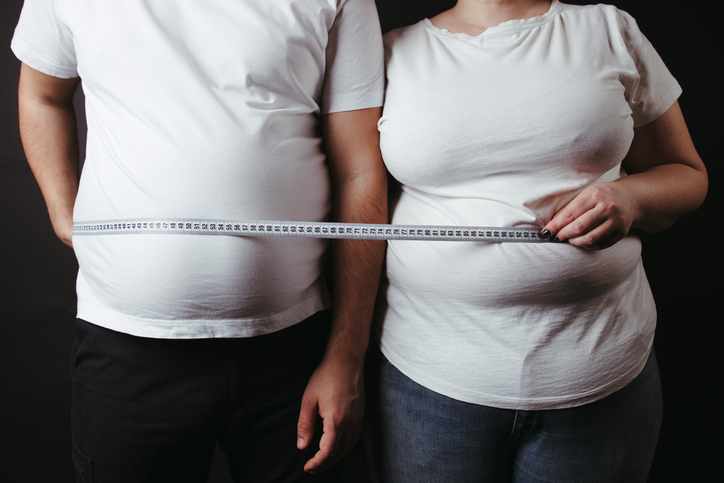


It is all a question of balance, even in our gut. Changes in the composition of the microorganisms that inhabit it can in fact greatly influence our health: some can even promote the onset and development of obesity. And that is not all. Research from the University of Navarra (Spain), presented at the European Congress on Obesity (ECO), held in Venice in May 2024, managed to identify the drivers of these changes, which are different in men and women, showing how they could influence the metabolism of various nutrients and, therefore, the presence of bioactive molecules in the gut which, in turn, play an important role in the development of metabolic diseases.
A delicate balance
The gut microbiota consists of a complex community of microorganisms: bacteria, viruses, fungi and protozoa). An imbalance in this community (dysbiosis) significantly affects metabolic health and influences the risk of certain diseases, including obesity. However, it is not yet clear which species are representative of a greater or lesser likelihood of developing obesity, nor the impact of these species on our metabolic health.
The analysis of the metabolome
To shed light on the mechanisms through which the gut microbiota is involved in the development of obesity, the researchers examined the fecal metabolome produced by gut bacteria, that is, the set of all the metabolites present in the gut and then in the feces. By-products of the metabolism of food, these substances make their way into the bloodstream and therefore have effects on health. “Our results reveal how an imbalance between distinct bacterial groups may play an important role in the onset and development of obesity, with notable differences between the sexes, which could influence the metabolism of various bioactive molecules present in the metabolome which, in turn, influence the development of metabolic diseases,” says lead author Paula Aranaz of the University of Navarra (Spain).

Differences between men and women
The study involved 361 adult volunteers, 251 women and 110 men, with an average age of 44, taking part in the Spanish Obekit study, which examines the relationship between genetic variants and the response to a low-calorie diet. All participants (65 with normal weight, 110 with overweight and 186 with obesity) were classified according to a low or high obesity index (Ob). Genetic profiling of the microbiota was then carried out to identify the different types, composition, diversity and relative abundance of bacteria present in the participants’ stool samples.
The analysis revealed that, in general, participants with a high Ob index had significantly lower levels of Christensenella minuta, a bacterium already known to be associated with leanness and health. In men, moreover, a greater abundance of the species Parabacteroides helcogenes and Campylobacter canadensis was strongly associated with a higher body mass index (BMI), fat mass and waist circumference. In women, on the other hand, a greater abundance of three species, namely Prevotella micans, Prevotella brevis and Prevotella saccharolytica, was predictive of a higher BMI, fat mass and waist circumference.
Precision strategies
In further metabolomic analyses, which examined a wider range of metabolic compounds in the blood, the researchers observed variations in the abundance of certain metabolites. In particular, participants with a high Ob index had higher levels of bioactive lipids, involved in the development of metabolic diseases, in the regulation of insulinHormone produced by Langerhans island cells of the pancreas. It stimulates the entry of glucose into the cells, subtracting it from the blood and thus lowering blood sugar. It induces the use of glucose both to produce energy and for the synthesis of glycogen and fats. and in the onset of cardiovascular diseases. As Aranaz reports, a gut microbiota composition featuring a higher presence of certain types of bacteria (especially high levels of Christensenella minuta) appears to protect against obesity.
The researcher also emphasizes the importance of these results for the development of precision nutrition strategies for weight loss. “Considering that the species that influence the risk of developing obesity appear to be different between the sexes, interventions to help prevent an obesity-promoting microbiota may need to be different in men and women. Further research is needed to better understand when the shift to an obesity-promoting gut microbiota might occur, and therefore the right time for possible interventions” .
The results of the Spanish study are interesting and deserve further investigation. However, it is not yet possible to generalize the conclusions: to do so, further research with a larger number of participants and from different regions of the world will be needed, also to understand how much the cultural factor affects the microbiota.