
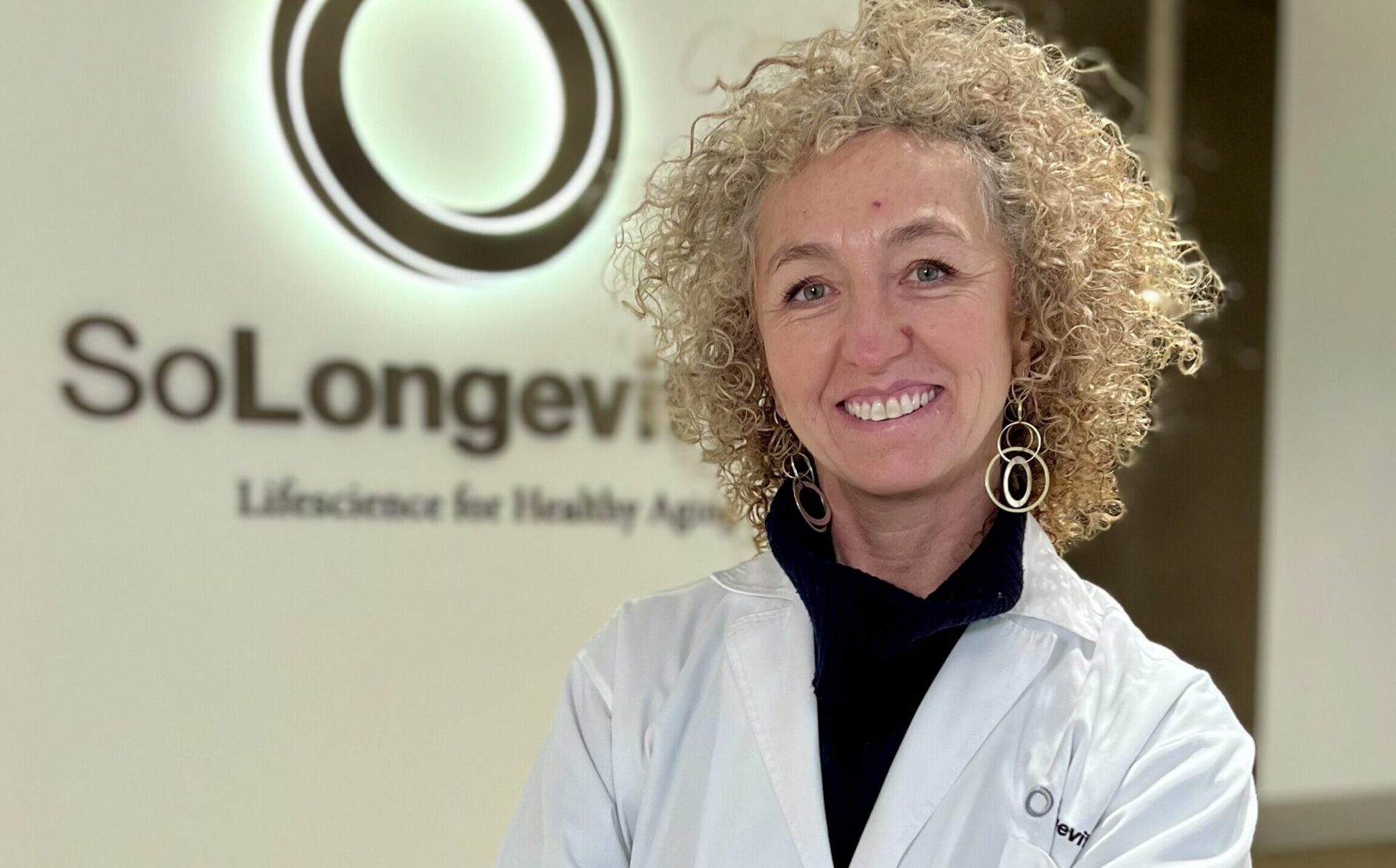


How much does gastroenterology have to do with longevity? A great deal, because there is a deep link between the gastrointestinal system, the microbiota and biological aging. This is well explained by Francesca Jaboli, gastroenterologist at the SoLongevity Clinic in Milan, who explores the concept of chronic low-grade inflammation and of “Leaky Gut” (intestinal permeability). The take-home message? A personalized and scientifically grounded approach is the key to preventing degenerative diseases and promoting healthy longevity.
Dr. Jaboli, how does gastroenterology connect today to the concept of longevity?
“Gastroenterology is closely linked to longevity because the gastrointestinal system and the gut microbiota represent its core. What we eat is directly responsible for our predispositions to develop various conditions. Lifestyle, diet and stress influence our metabolism and the microbiota, potentially leading to a state of chronic low-grade inflammation. This is a subtle and hidden inflammation that gives no obvious signs until cellular and tissue deterioration appears, leading to faster biological aging“.
Checkup Longevità
There is often talk of “Leaky Gut” or intestinal permeability. What exactly is it?
“We can imagine it as an intestinal wall “full of holes”. Under normal conditions, the intestinal mucosa filters what we eat thanks to “tight junctions” (tight junctions), which act like staples holding the cells together. When there is chronic inflammation, these junctions loosen, creating pores. The intestine loses the ability to selectively filter the ingested substances, which are therefore absorbed and fuel the inflammatory state, subsequently damaging all the organs of the body. This mechanism is a common factor in many diseases, from celiac disease to chronic bowel diseases, and even tumors”.
What are the long-term risks of this inflammation and how can we measure it?
“If not contained, inflammation can lead to degenerative diseases such as diabetes mellitus, cardiovascular diseases, metabolic syndromes with high levels of cholesterol and triglycerides, and neurodegenerative diseases. We can measure it through specific markers in the blood, such as high-sensitivity C-reactive protein (CRP), ferritin (which, if high in the absence of deficiencies, indicates inflammation), fibrinogen or the neutrophil-to-lymphocyte ratio. InsulinHormone produced by Langerhans island cells of the pancreas. It stimulates the entry of glucose into the cells, subtracting it from the blood and thus lowering blood sugar. It induces the use of glucose both to produce energy and for the synthesis of glycogen and fats. resistance is also a sign of metabolic dysfunction linked to this inflammatory state”.
You define the microbiota as a true organ. Why?
“Exactly. The microbiota is an organ in every respect, so much so that it can be transplanted. We carry with us about 2 kg of microorganisms responsible for vital functions: from glucose and lipid metabolism to cognitive capacity and sleep quality. It even influences hormonal balance; for example, the estrobolome, the part of the microbiota that metabolizes estrogens, is altered in menopause, influencing the accumulation of visceral fat“.
Chiedi maggiori informazioni - Servizi SoLongevity Clinic
How can this process be reversed or prevented?
“My primary intervention is through personalized nutrition. I don’t like to talk about a “diet”, a term often experienced as punitive, but about an approach that becomes an everyday lifestyle. The goal is to modulate the microbiota to maintain glycemic and lipid balance, reducing inflammation. For example, proper nutrition promotes the production of serotonin from tryptophan in the intestine, improving the quality of sleep, essential factors for slowing tissue aging”.
So are all these aspects integrated into the approach of the SoLongevity Clinic and of the pathways for healthy longevity?
“Yes, my task is to integrate the areas of diagnostics and check-ups and the therapeutic protocols, in particular in the sphere of nutrition, but also in other areas, such as cognition and sleep health, to improve people’s quality of life”.
What is your advice on the use of probiotics and supplements, given the great overload of information on the subject?
“It is an expanding but complex field. There is not yet a “gold standard” test, but some laboratories offer detailed stool analyses that work like an “identity card” of one’s own microbiota, helping us understand which probioticsFoods containing specific bacterial strains from the intestinal environment. to take. A good probiotic must be able to pass the gastric barrier, contain live bacteria in high concentration and have scientific studies behind it”.
In conclusion, what is the most important message you want to convey?
“Information is fundamental, but one must be wary of fads. Since we are all different, the intervention must be absolutely personalized. Before resorting to drugs or supplements, it is essential to start from nutrition. Without this step, any other intervention risks being ineffective”.


