According to a study conducted by IFOM in Milan and IGM-CNR in Pavia, the reason why older people are more susceptible to the SARS-CoV-2 virus could be linked to aging-related genetic damage
What this article is about
- Older adults are more susceptible to SARS-CoV-2 infection
- There appears to be a correlation between older adults’ greater susceptibility to contracting COVID-19 and the shortening of chromosome telomeresEnd parts of the chromosomes. They have the function of making DNA more stable and their length is inversely correlated with ageing.
- The expression on the surface of lung cells of the ACE2 receptors, which the virus uses to infect, increases in proportion to telomere shortening
Related articles
- Why do we age? 9 biological causes discovered
- Time changes us, even in our DNA. Here is how
- COVID-19, 5 rules that help prevent it
If older adults are at greater risk of hospitalization for COVID-19, the cause could also be a typical sign of cellular aging: the shortening of the ends of chromosomes, the telomeres. These DNA “caps” close off the chromosomes, protecting them, just as the little plastic tips at the ends of shoelaces keep them from fraying. But, with advancing age, telomeres become shorter, and this can expose the rest of the DNA to damage of various kinds. To prevent this, cells activate alarm systems, whose effects, however, can have repercussions on the body.
 The ends of chromosomes are called telomeres: they are DNA “caps” that serve to protect the genetic code, but they shorten with each cell replication. They are therefore an index of cellular aging
For example, as argued by a study by researchers at IFOM in Milan and IGM-CNR in Pavia, published in the scientific journal EMBO Reports, telomere shortening or dysfunction may contribute to older adults’ greater susceptibility to SARS-CoV-2 infection, because it is associated with increased expression of the ACE2 receptor – the receptors the virus uses to enter the cell – in the lungs.
Telomeres are DNA “caps” that close off chromosomes, protecting them, just as the little plastic tips at the ends of shoelaces keep them from fraying
Telomeres and the ACE2 receptor
The team, which has long studied the mechanisms regulating cellular aging in tumor formation, neurodegenerative diseases and other aging-related diseases, wanted to understand precisely whether there could be a correlation between the cellular response to telomere damage and older adults’ greater susceptibility to SARS-CoV-2 infection. The study showed that in human lungs ACE2 is present particularly in type II alveolar epithelial cells, which are considered the stem cells of the lungs, and that its expression increases as they age. These cells are therefore probably the main target of the infection. And indeed pneumonia is the most common complication in COVID patients, particularly with the first variants of the virus.
Telomere shortening or dysfunction could contribute to older adults’ greater susceptibility to SARS-CoV-2 infection
The researchers noted that ACE2 on lung cells increases the more telomeres shorten, and its synthesis is directly influenced by the cellular signals that indicate the presence of DNA damage. And, in fact, if the “alarms” triggered by the cells are interrupted, the amount of ACE2 decreases. With further experiments, the researchers then discovered that it is not telomere shortening itself that is responsible for the increase in ACE2 expression, but in general the cellular response to any DNA damage. Further studies will now be needed to understand why this happens.
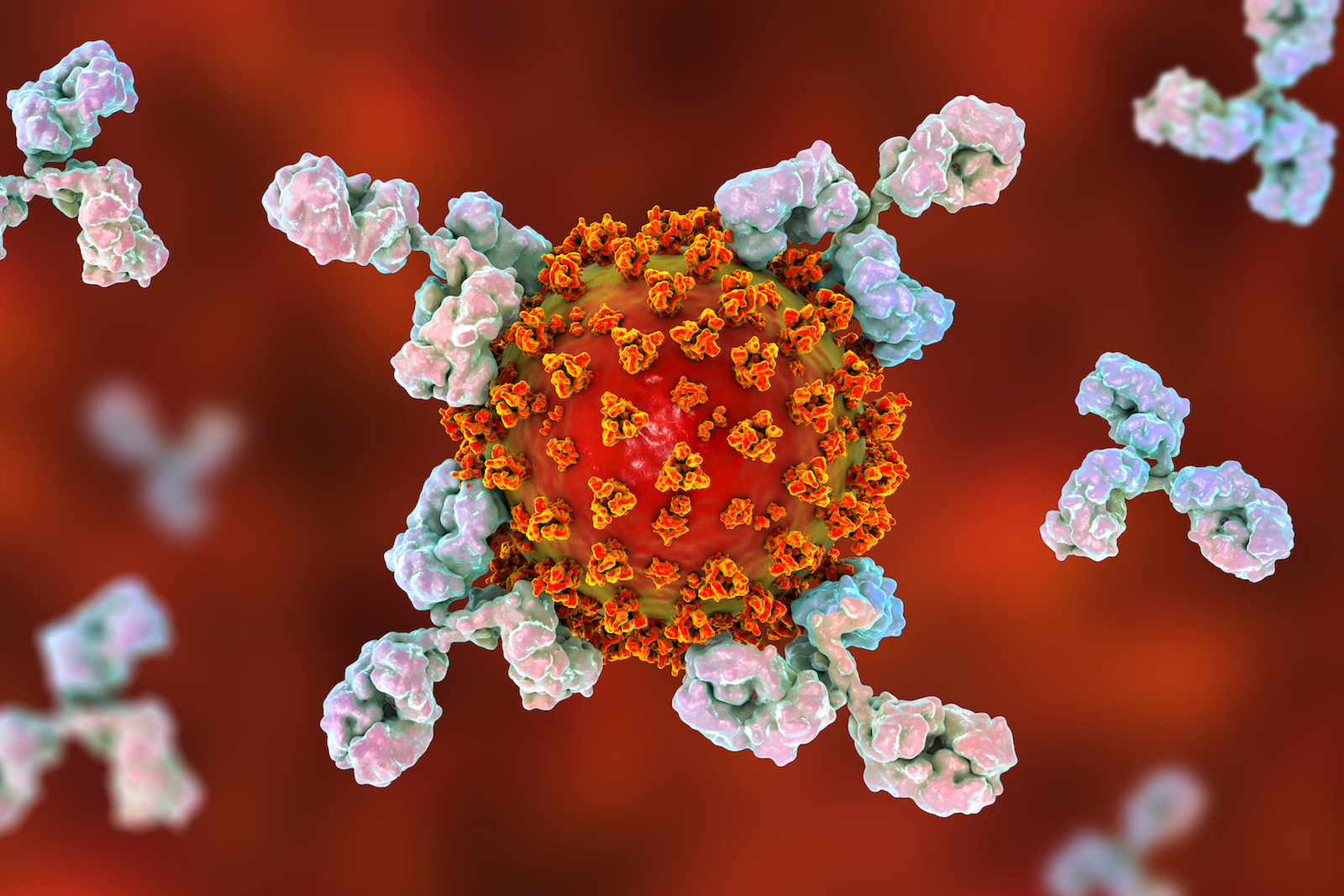
 ACE2 receptors are used by the coronavirus as a gateway into cells. Their expression on the cell membrane increases over time and seems to go hand in hand with telomere shortening
What actually drives the increased expression of ACE2 receptors on lung cells would be the response to any type of DNA damage
Targeted therapies for the diseases of older adults
The study opens up the possibility of developing new therapies to protect older adults from various diseases, not only from COVID-19. Many aging-associated diseases in fact share a common component, which is precisely telomere damage, such as atherosclerosis, diabetes and osteoporosis.