Epigenetics: what is it?
EpigeneticsLiterally "above genetics." This term refers to all biochemical processes which, without modifying the DNA sequence, affect the expression of genes, both "switching them on" and "switching them off". is the science that studies the mechanisms of genome regulation that do not alter the DNA sequence. The term, coined in 1942 by the University of Edinburgh embryologist and geneticist Conrad Hal Waddington, indicates precisely something that sits above (“epi”, in Greek) the genome, that is, all those chemical modifications of the nucleotides (the “building blocks” that make up DNA) or of the proteins bound to DNA (called histones) that change the degree of activation and deactivation of genes. In other words, while genetic changes can modify the “words” written in the genetic code (that is, the genes), epigenetic modifications change the way those words are read. Moreover, unlike genetic changes, epigenetic ones are reversible. Epigenetic modifications can also be transmitted from the mother cell to the daughter cell during cell division or from one generation to the next. The set of all epigenetic modifications is called the epigenome and can be influenced by many factors, from age to diet, to exposure to pollutants.
Epigenetic mechanisms
Epigenetic changes influence gene expression by acting at different levels:
– changes to DNA: in the process called methylation, the enzyme methyltransferase adds methyl chemical groups (CH3) to specific sequences in DNA. This prevents the proteins that recognize those sequences from attaching to DNA, reading it and translating it into proteins. In general, therefore, methylation inhibits gene expression, while demethylation activates it.
– changes to proteins: chemical modifications (for example methylation, acetylation, phosphorylation and ubiquitination) of histones, that is, the proteins around which the DNA strand is wound, make reading the gene sequence more or less accessible and consequently affect its expression.
– non-coding RNA: non-coding RNAs are molecules that are not used to produce proteins but serve as regulators of gene expression at the post-transcriptional level, that is, they can pair with coding RNAs to silence them and prevent protein synthesis.
Epigenetics and aging
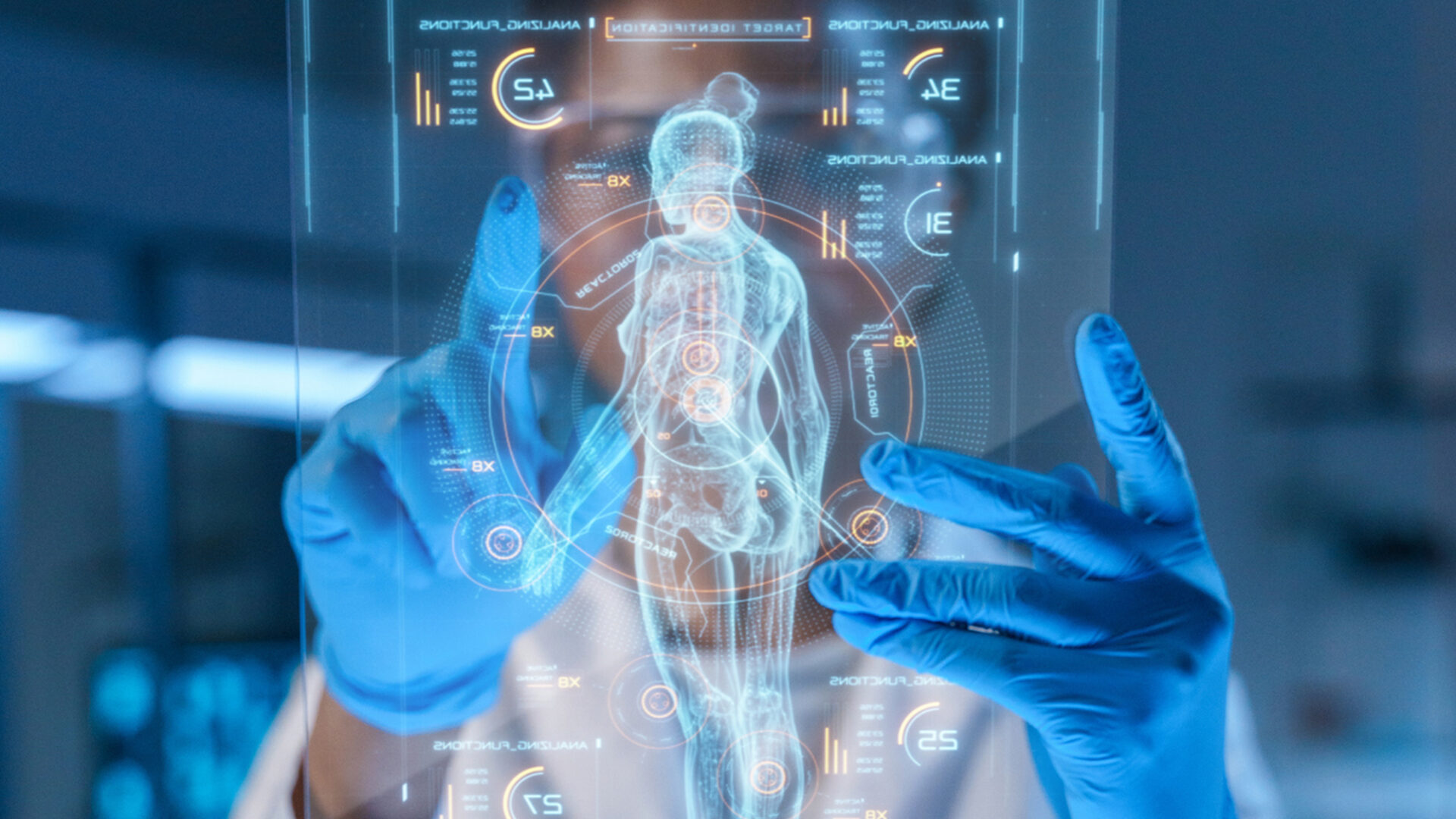
Many mechanisms influence the aging process and therefore longevity: telomere shortening, mitochondrial dysfunction, oxidative stress, the accumulation of DNA damage and also epigenetic changes. The latter are involved in the phenomenon of cellular senescence and can be used as biomarkers to define the biological ageDifferent from chronological age. It is a measure of the body's ageing, based on the effectiveness of the mechanisms that keep cells young and on markers of the functionality of organs and apparatus. of individual tissues or organs and, with a greater degree of approximation, of the whole organism. Methylation, in particular, is the basis of epigenetic biological clocks — tools that provide a quantitative measure correlated with age and that are able to predict mortality, the risk of falling ill and, in general, the decline in health status. Given the reversible nature of epigenetic mechanisms, acting on them with targeted interventions (for example supplements, drugs, lifestyle changes, etc.) could be a new frontier for preventing and treating age-related disorders, such as metabolic, cardiovascular, neurodegenerative and inflammatory disorders and cancer.
BioClock SoLongevity
Epigenetics, lifestyle and diet
To recap, the epigenome modulates the aging process, conditioning the onset of the disorders and diseases connected with it, but it changes in response to environmental factors (exposome). Environmental factors with epigenetic effects include lifestyle, smoking, diet and pollution. An improvement in behaviors and quality of life can, therefore, bring benefits. For example, after quitting smoking, former smokers can reach methylation levels similar to those of non-smokers. Diet is one of the most studied and best understood environmental epigenetic factors. Some foods, for example, seem to modify the methylation status of DNA, thus modulating the expression of sirtuins, proteins involved in the cellular processes of stress response, apoptosis and inflammation. Observational studies have also shown that, even before birth, suboptimal nutritional conditions of the mother (such as a lack of folic acid in the diet) influence the health of the unborn child, with an increased risk of diseases (type 2 diabetes mellitus, cardiovascular diseases, metabolic disorders and reduced cognitive function).
Epigenetic inheritance
As mentioned, the molecular imprint on DNA is heritable by subsequent generations of cells. If these cells are eggs and sperm, the epigenetic modifications will also be inherited by the next generation of individuals. Not only maternal epigenetics, therefore, but also paternal epigenetics contributes to influencing the health of children. So much so that some studies have noted that a certain degree of caloric restriction in the paternal line can be reflected in a longer average lifespan in descendants.