


What is metabolomics?
This discipline studies the metabolites that derive from the reactions that take place in cells. It is an “indirect” way of seeing how fundamental processes work by observing their waste products. It can have several purposes: an extremely precise identification of nutritional needs (vitamins, trace elements, amino acidsAmino acids are the basic substances that make up proteins. Each protein is characterized by a precise sequence of amino acid "bricks". Some are produced by the body by processing food, others, which the body cannot synthesize, must be taken directly with food.), a measurement of systemic inflammation and mitochondrial activity, but also flagging conditions of dysbiosis, dysmetabolism and other metabolic imbalances which, in the long run, can lead to diseases or symptoms
Metabolomics: definition
Metabolomics is one of the “omics” sciences (like proteomics, genomics, etc.) and deals with the study of metabolites, that is, the molecules produced by metabolic reactions within a biological system, such as a cell, a single organ, a tissue or an entire organism. The set of all the metabolites of a given system at a given moment is called the metabolome (to learn more about metabolic reactions — anabolic and catabolic — read here).

SoLongevity Clinic
What are metabolomic analyses?
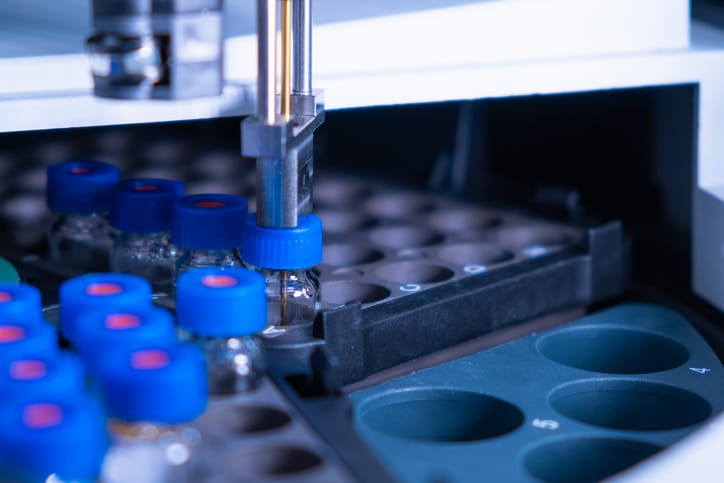
Body fluids, such as blood and urine, contain various metabolites that can give us information on the health of the individual organs and tissues in which they are produced, or on the body as a whole. Nutrimetabolomics is a particular field of application of metabolomics that studies, for example, the metabolites present in urine to identify any nutritional deficiencies: of vitamins, trace elements, fatty acids, amino acids and so on. It is based on very sophisticated technologies that can provide data on hundreds of different metabolites from a single urine sample. This allows us to analyze some fundamental mechanisms, such as the famous Krebs cycle, which produces energy within cells. In the reactions of the Krebs cycle many intermediate molecules are formed, and from one synthesis step to the next cofactors are always needed, which can be nutrients such as vitamins and trace elements. When these cofactors are missing, the Krebs cycle, and therefore energy production, gets stuck. Metabolomics therefore allows us, with a urine test, to calibrate nutraceuticalNutraceutical is a syncratic neologism from "nutrition" and "pharmaceutical" coined by Stephen de Felice in 1989. Nutraceuticals are those nutrients contained in foods that have beneficial effects on health, their effectiveness has been proven by clinical trials. supplementation very precisely and in a personalized way. Or, at the same time, to check whether there are other problems, such as an excess of heavy metals and metabolic imbalances.
How much do metabolomic analyses cost?
Metabolomic tests do not cost much more than a microbiome analysis or a genetic test, but they are rarely done because understanding the results is very complex. As a result, they are not widespread in clinical practice: few laboratories perform them and specific medical skills are needed to interpret them. The exception is the field of oncology, where metabolomics is applied to detect specific biomarkers useful for identifying malfunctions in particular metabolic pathways that can promote tumor proliferation.
Metabolomics and longevity
In fact, precisely because of its ability to monitor fundamental processes, metabolomics can find great application in longevity medicine: helping to identify the presence of subtle imbalances which, in the long run, can cause a pathological condition and/or accelerate the aging process. Obviously the ability to interpret them and the identification of the resulting clinical action are the key elements of its application in this field. At the SoLongevity Clinic, we offer this type of analysis enriched by the interpretive model and the related clinical impacts, both to promote biological rejuvenation and to support tailored preventive and corrective action.


