




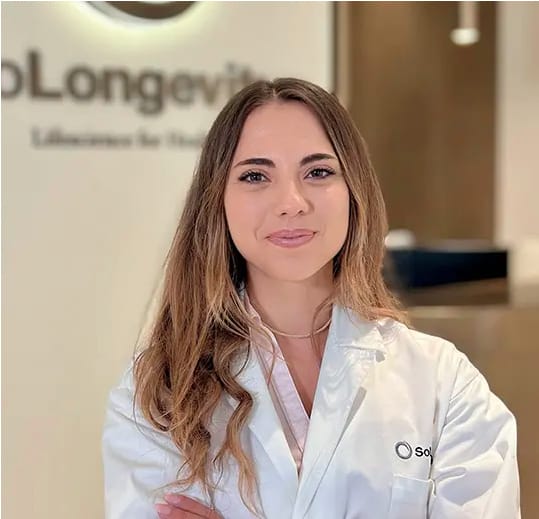
Modern nutrition is evolving toward an increasingly targeted and scientific approach, moving beyond the concept of simple calorie intake. At the SoLongevity Clinic in Milan, Maria Letizia Scaglioni, nutritionist biologist, works in neurofunctional nutrition, a discipline that studies the two-way interaction between food biochemistry and the nervous system. In this interview, she guides us in discovering how our choices at the table can modulate not only our weight, but also our mental clarity, our stress response and our long-term health, emphasizing the importance of a personalized approach.
Dr. Scaglioni, what exactly is neurofunctional nutrition?
“Neurofunctional nutrition studies how diet directly influences the nervous system. And, conversely, how the nervous system itself regulates our eating behaviors and energy metabolism. The brain, through the hypothalamus, integrates hormonal signals such as leptin, linked to the feeling of satiety, ghrelin, linked to the feeling of hunger, and insulinHormone produced by Langerhans island cells of the pancreas. It stimulates the entry of glucose into the cells, subtracting it from the blood and thus lowering blood sugar. It induces the use of glucose both to produce energy and for the synthesis of glycogen and fats.. It is important to understand that behaviors often judged as ‘lack of willpower’, such as emotional eating, often stem from underlying hormonal or biochemical imbalances.
Chiedi maggiori informazioni sulla nutrizione neurofunzionale
There is a lot of talk about the gut-brain axis. What is its role in this balance?
“The gut-brain axis is fundamental. The bacteria of our intestinal flora produce molecules such as short-chain fatty acids that modulate inflammation, insulin sensitivity and the production of metabolites and signals that modulate the production and function of neurotransmitters (such as serotonin and dopamine). The latter also influence the production of melatonin and, consequently, the quality of sleep. A balanced nervous system, supported by proper nutrition, allows us to respond better to stress, preventing cortisol from becoming chronically high, a condition that can lead to loss of muscle mass and fat accumulation”.
How does cortisol affect muscle mass?
“Its nature is intrinsically catabolic, which means that it has catabolic effects on tissues (it promotes metabolic breakdown processes in which complex molecules such as carbohydrates, fats and proteins are split into simpler molecules, releasing energy, ed.). Under normal conditions, cortisol provides an acute response to stress, acting as an ally of the body. However, when a person is chronically stressed, the levels of this hormone remain constantly elevated. This excessive and prolonged presence of cortisol in the blood can lead to various problems, including loss of muscle mass and easier fat deposition”.
What is the recommended dietary foundation to support the nervous system and general health?
The foundation must be an anti-inflammatory diet, essential to counter inflammaging"Chronic low-grade inflammation" or inflammaging, such as a state of low intensity but constant organic inflammation (associated with an increase in some proteins, the inflammatory cytokines) that causes damage to the body., the aging linked to silent chronic inflammation. The reference approach is the Mediterranean diet, rich in functional foods: extra virgin olive oil, dark cocoa, red berries and spices such as turmeric, black pepper, chili pepper, cinnamon. A key role is played by the omega-3s found in oily fish and salmon, which are nutrients with an anti-inflammatory action and support for cardiovascular and brain health”.
Are there substantial differences between men and women in the nutritional approach?
“Certainly. Men and women are different from a hormonal point of view. While men have a more constant hormonal profile, women experience hormonal variations linked to the menstrual cycle and to the different phases of life that require nutritional adjustments. Women physiologically have a predisposition to greater fat mass and a generally lower basal metabolism, also linked to body build. During the fertile years, attention must be paid to iron deficiencies and an adequate protein intake must be ensured, divided throughout the day, to stimulate muscle synthesis and prevent emotional eating. In menopause too, protein and calcium intake becomes crucial to counter the loss of muscle mass and the risk of osteoporosis”.
Speaking of nutrients, can you give us some practical advice on how to combine foods?
“A common mistake is hindering the absorption of essential nutrients. For example, calcium can counter the absorption of iron; therefore, it is better not to combine red meat and cheese in the same meal. Coffee and tea too, since they contain caffeine and theine, reduce iron absorption: it would be better to consume them away from meals, perhaps mid-morning, also so as not to exacerbate cortisol peaks on waking. On the contrary, vitamin C, such as lemon juice on meat, enhances iron absorption”.
Why is it so important to consider muscle not only for movement, but for brain health?
“Muscle is a true endocrine organ. When we contract it, it releases molecules called myokines, such as interleukin 6, which improve neuroplasticity, promote new neuronal connections and positively influence mood. Sport, therefore, literally improves the structure of our brain”.
Are there particular recommendations for those who practice high-intensity sports?
“Yes, these people, such as runners, can be exposed to a temporary increase in oxidative stress and inflammatory load if recovery is not adequate, which can predispose to premature aging and neurodegenerative diseases. To counter these risks and optimize performance, it is even more important to adopt an anti-inflammatory diet rich in omega-3s, spices and antioxidants. In addition, to support muscle synthesis, athletes must ensure an adequate and divided protein intake, which can range from 1.5 g to 2.2 g per kilo of body weight”.
What does the precision nutrition approach at the SoLongevity Clinic consist of?
“We use advanced diagnostic tools to provide useful indications on early metabolic alterations, to be integrated with the traditional clinical and laboratory picture. Through metabolomics, which is performed by analyzing urine, we identify micronutrient deficiencies. The added value of this test compared with traditional tests lies in its ability to identify problems ‘at the root’: often, in fact, blood tests are normal even when a deficiency has already begun but is not yet manifest in the bloodstream. Thanks to metabolomics it is possible to act preventively, filling these gaps through diet or targeted supplementation before the condition worsens”.
Are there other parameters that you measure to assess the “longevity reserve”?
“Yes. We assess body composition, not only with weight, but through clinical bioimpedance analysis and DEXA, a very low-intensity X-ray test that makes it possible to see visceral fat, the fat hidden around the organs that is most dangerous for cardiovascular and inflammatory risk. Finally, we measure aerobic capacity (VO2 max) and physical strength with the handgrip test, both fundamental predictors of longevity, to structure highly personalized nutrition and training plans”.
Speaking of visceral fat, how do you intervene with the so-called “false thin” (skinny fat)?
“The false thin are people who appear thin but have an excess of visceral fat. In these cases it is necessary to act on several fronts: drastically reduce alcohol and sugars, prefer whole grains and combat a sedentary lifestyle with targeted physical activity. In general, recognizing the need for personalization based on gender, starting conditions and lifestyle is the pillar of healthy longevity, where prevention becomes a scientific and everyday act”.


