


Osteoporosis is a very common condition caused by the loss of bone density. In Italy it affects one woman in three and one man in eight after the age of 50. Clinically silent, it is often diagnosed only after a fracture. Too few people know that it is possible to try to prevent it and that, thanks to an integrated multidisciplinary approach, there is a way to recover from any impairment as well. We discuss it with Alberto Cerasari, Longevity Doctor, Medical Director and clinical lead of SoLongevity.
Dr. Cerasari, what is osteoporosis?
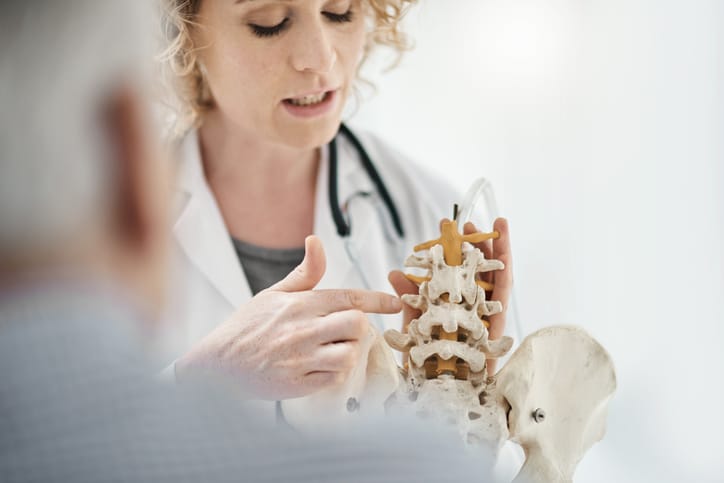
Osteoporosis is a disease fundamentally due to a reduction in bone mineral density (BMD) over time. It is therefore a pathological condition of the skeleton, although, in reality, we could say that it is systemic in nature. From an epidemiological point of view it is very widespread (after the age of 50 it affects one woman in three and one man in eight), but it is difficult to recognize except through instrumental diagnostics, which are usually performed only after a fracture, perhaps occurring after even a minor trauma. It can affect any bone, but the skeletal segments most at risk include the proximal femur — the so-called femoral head —, the humerus, the wrist and the spine.
What tests are used to identify it?
Given its silent nature, diagnosing osteoporosis requires instrumental tests, in particular computerized bone densitometry (MOC/DEXA), which, through exposure to a small dose of X-rays, analyzes the mass and quantity of minerals (mainly calcium phosphate) present in the bone. The test provides an assessment of skeletal fragility in the form of a score, called the T-score. According to World Health Organization guidelines, after the age of 50 a T-score above -1 indicates a normal condition; a score between -1 and -2.5 indicates the presence of osteopenia, that is, a non-severe reduction in bone density that can, however, worsen and is a precursor of osteoporosis. A T-score below -2.5 corresponds to established osteoporosis. It must be said, however, that the instrumental test is not always sufficient and must be supplemented by the patient’s clinical assessment and by biochemical tests.

Modulo MOC e Refertazione
Who is most affected and what are the risk factors?
As already mentioned, women are more affected by osteoporosis than men. The discriminating factor is menopause, which alters hormonal balance: the reduction in the production of estrogens (and not only) impairs the stimulus for calcium and bone deposition in the skeletal structure.
Menopause, however, is not the only risk factor. Advanced age is one too, so much so that, especially in the presence of other conditions, men may also be advised to have a MOC scan. Low body weight, particularly in women, can also increase the likelihood of developing osteoporosis because the bone is deprived of an important stimulus factor, namely load. There are also modifiable risk factors, linked to lifestyle, such as an unbalanced diet, a sedentary lifestyle, alcohol abuse and smoking. Some diseases predispose to osteoporosis, for example rheumatic diseases, anorexia nervosa, hematological diseases, chronic bronchitis, neuromuscular diseases, hypogonadism, diseases related to excess or deficiency of pituitary hormones, and thyroid, kidney or liver dysfunction. Those who suffer from malabsorption syndrome and chronic inflammatory bowel disease, or even celiac disease, are predisposed to osteoporosis, due to the failure to absorb essential nutrients such as calcium and vitamin D.
Finally, the chronic use of certain drugs can reduce bone density, from corticosteroids to immunosuppressants, from antidepressants to antiretrovirals, from antiepileptics to hormone therapies for prostate and breast cancer.
What is the SoLongevity Clinic’s strategy for the prevention, diagnosis and treatment of osteoporosis?
Ours is an integrated and personalized approach to managing bone density problems, combining instrumental diagnosis with targeted therapeutic interventions on nutrition, physical activity and technological support, working in synergy with various specialists.
The Clinic offers a diagnostic-therapeutic protocol, also included in the FemGevity package and dedicated to peri- and post-menopausal women, which includes a consultation with a specialist, the gynecologist, with the involvement of the Longevity Doctor. A MOC scan is performed using the dual-energy X-ray technique (DEXA), which analyzes bone mineral density at the level of the four lumbar vertebrae (L1-L4) and the proximal femur (head and neck of the femur), i.e. the areas most at risk of fracture. In addition to the MOC, a panel of blood tests is included to thoroughly assess calcium-phosphorus metabolism and levels of Vitamin D and parathyroid hormone. The complete hormonal profile (estrogens, testosterone, etc.) and the function of organs such as the thyroid, kidneys and liver are also assessed. Based on these results, a pathway and an intervention plan are outlined that combine medical support with non-pharmacological strategies, managed by a multidisciplinary team.

Femgevity Checkup
Nutritional intervention is crucial to provide the support needed for the constant rebuilding of the skeleton. Maintaining a good protein intake, for example, is a protective factor because it provides the “building blocks” needed to build tissues, bone included. To a balanced diet it is possible to add essential amino acid supplementation, which gradually stimulates bone and muscle metabolism to make them stronger and more resistant, without overloading organs such as the kidneys. Vitamin D supplementation is also fundamental and is personalized to keep it at optimal levels. Within the SoLongevity Clinic, if necessary, a therapy of vitamins, minerals and antioxidants administered intravenously may be suggested to bypass gastrointestinal absorption, providing a nutrient boost that precedes oral maintenance therapy.

In the case of established osteoporosis, a consultation with one of our clinical kinesiologists and a sports physician then serves to set up a personalized therapeutic exercise program, which is a different practice from simple sports activity because it is based on a battery of tests that assess the real abilities and needs of the patient and their clinical condition. Activities with resistance weights are generally considered protective and stimulating for bone health, but in cases where some bones are more compromised, care must be taken with movements involving twisting or rotation of the spine, because even minor trauma could cause fractures.
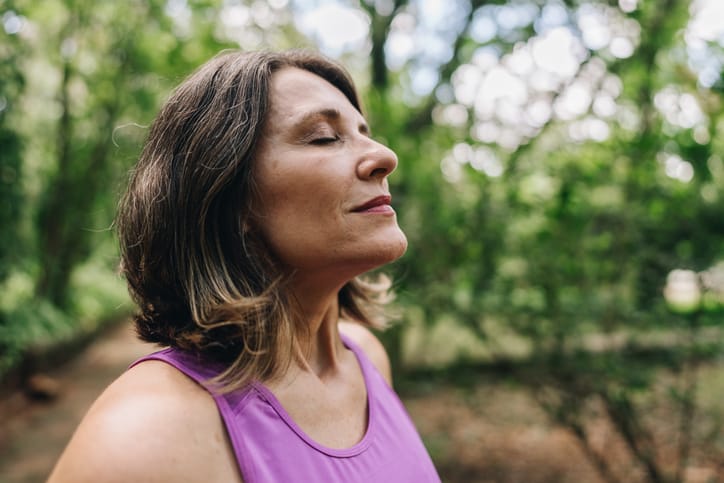
Nor must we forget the importance of breath training and osteopathic support: these combined approaches aim to improve posture, balance and correct breathing, which in turn have a positive effect on tissue vascularization and oxygenation, helping to prevent abnormalities that predispose to the disease.
Training del respiro
So are there activities that would be better avoided? And which are the best, instead?
I would not suggest golf, for example. But yoga could also present problems for people who have impairments. Gentle disciplines such as Tai Chi and Qi Gong instead seem useful and improve quality of life, especially for patients who are also following other chronic therapies.
And swimming?
Although even today there is a tendency to believe that swimming is the complete sport par excellence, it is not suitable on its own to prevent osteoporosis or to treat it. This is because in water we do not put load on our bones and, therefore, we do not correctly stimulate the bone regeneration process. Even professional swimmers who spend many hours in the pool every day complement their training with sessions in the weight room precisely to maintain the health of the entire musculoskeletal system.
Can technology help people with osteoporosis?
Within the SoLongevity Clinic we make use of what we call “accelerators“, that is, technologies and complementary therapies that optimize the therapeutic pathway. Photobiomodulation, for example: exposure to infrared rays reduces systemic inflammation and improves collagen production, helping to optimize and speed up the bone rebuilding and repair process.
For the future, we are also considering introducing machines that use artificial intelligence to modulate the load in a constant and safe way, stimulating bone rebuilding and preventing excessive overload.


