We discuss it with Maria Letizia Scaglioni, nutritionist biologist at the SoLongevity Clinic in Milan
Food, Muscles and Brain: Neurofunctional Nutrition as the Key to Longevity
read more

We discuss it with Maria Letizia Scaglioni, nutritionist biologist at the SoLongevity Clinic in Milan
Between promises of eternal youth and the trends of the moment, longevity medicine is experiencing an unprecedented boom. But to avoid unnecessary risks, the supervision of expert clinicians within a medical context is always needed

Even today men's health is surrounded by taboos and little willingness to face and solve problems, especially when it comes to sexuality and the urogenital system. Men often turn to friends, the internet or their partner before seeking a doctor's opinion. However, for...
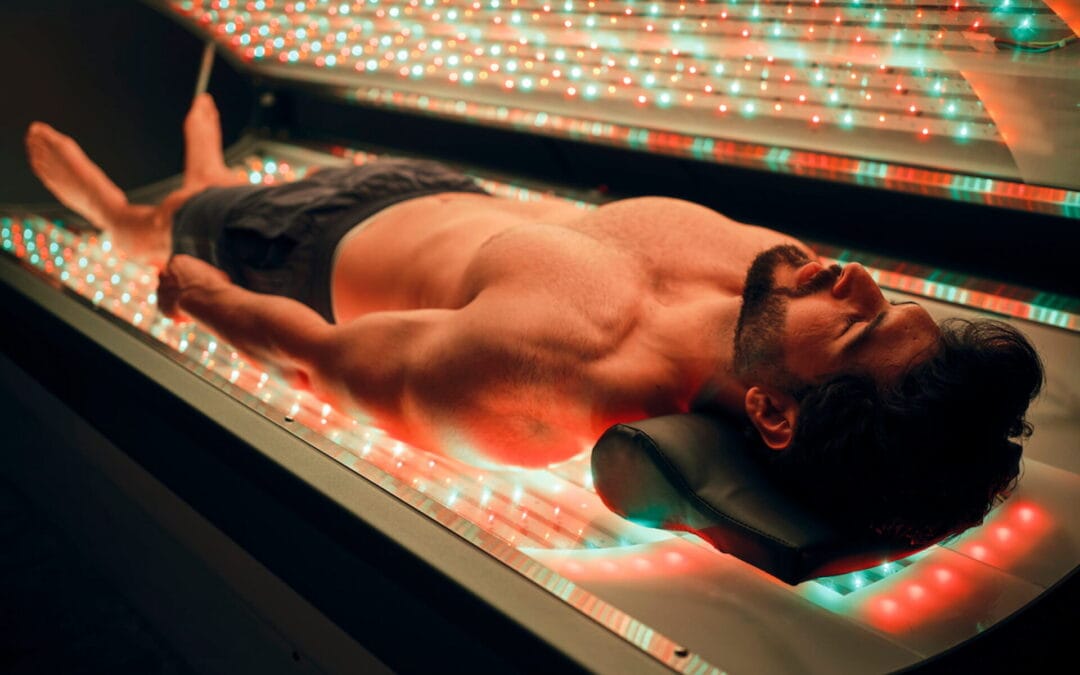
From molecular hydrogen treatment to intravenous therapies, from cycles of hypoxia and hyperoxia to ozone therapy, from photobiomodulation to breath therapy. Let’s find out which accelerators of physiological rejuvenation are used at the SoLongevity Clinic, and how they work

Infusion therapies can have two main objectives: supplementation or enhancement. At the SoLongevity Clinic, each treatment is chosen and calibrated for the individual person after a careful clinical assessment, as explained by Roberta Costanzo, physician expert in Regenerative and Enhancement Medicine
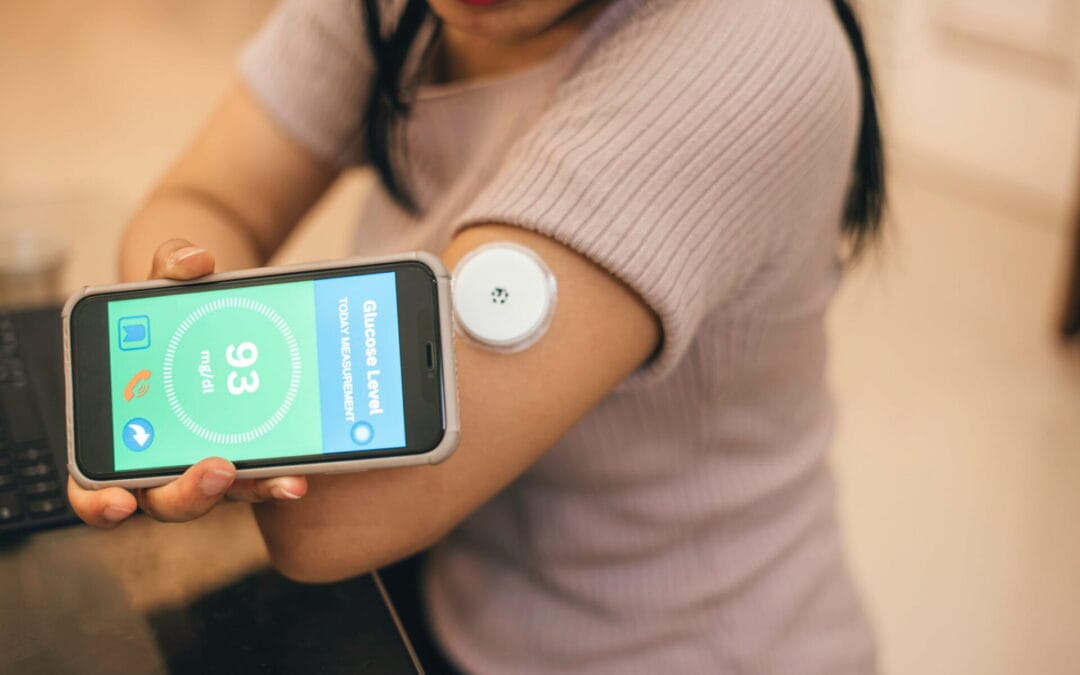
Discover how dynamically performed blood glucose measurement can help personalize nutrition and improve metabolic health

As we saw in the article “How About You, Can You Breathe Well?”, breathing is fundamental to life and regulates several physiological processes. Doing it efficiently, however, can change life and even lengthen it.

How does sleep change with age? How does it affect the main physiological systems? Here is why resting well helps you feel better and how to improve sleep quality

SoLongevity launches Brain Boost Program, a comprehensive diagnostic and intervention program dedicated to boosting cognitive reserve and preserving cognitive health. From check-ups to personalized cognitive training: to improve memory and increase concentration, fighting mental fatigue and counteracting brain aging

Several studies support the hypothesis that the efficacy of immunotherapy can be prolonged over time by acting on mechanisms that regulate intracellular oxidative stress

The immune system protects us from potential threats, but if it is not functioning at its best it can give rise to exaggerated processes of inflammation and oxidation, which damage the body and promote aging and related diseases. “Feeding” it correctly is imperative

In the last twenty years medicine has undergone a great revolution. The acceleration in genomics and other omics sciences has led to a profound change in the approach to the prevention, diagnosis, and treatment of diseases
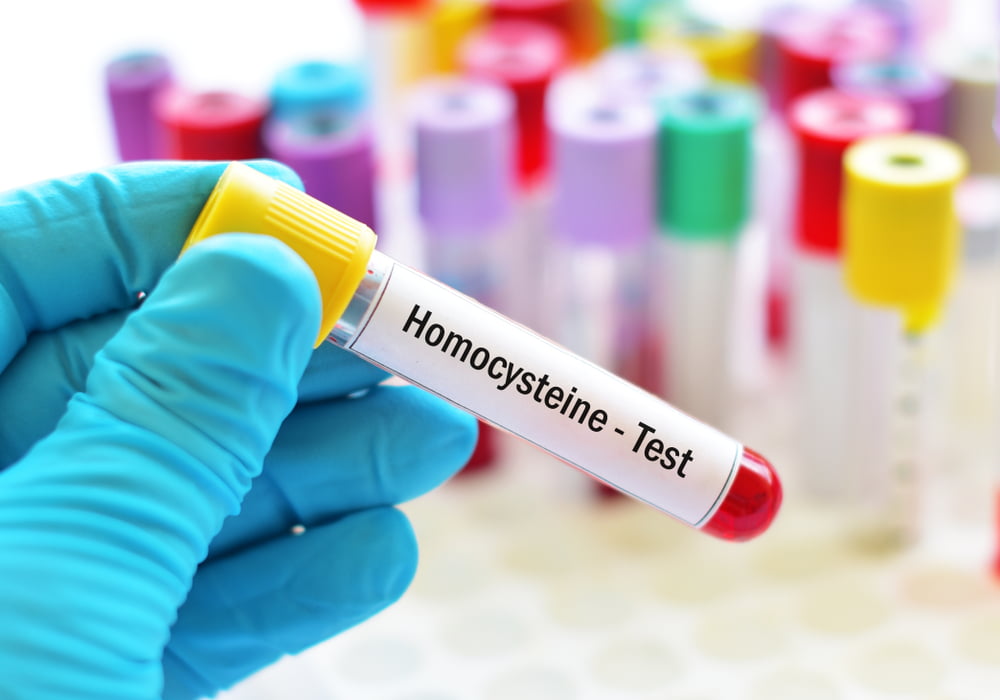
Excess homocysteine poses a health risk to the cardio- and cerebrovascular system because it stimulates the development of atherosclerosis, increasing the likelihood of stroke and heart attack. If action is taken early, by changing dietary habits and through supplements, levels can be normalized. With a double advantage

There are several methods for measuring oxidative stress. Knowing one’s “level” of oxidative stress can be useful in a preventive and healthy aging perspective

Telomere length is considered one of the hallmarks of aging, but new research is revealing that their “measurement” seems to be indicative more of health status than biological age. As Valentina Bollati, associate professor in the Department of Clinical and Community Sciences and the Epiget Lab at Milan State University, explains.

The biological age of an organism is a significant indicator of health status and susceptibility to illness. Individual organs and tissues may undergo different aging processes, but the real challenge is to define a biological clock that applies to the whole organism, and that translates into parameters that are easy to monitor and act upon.

Measuring chronic latent inflammation is not as simple as measuring acute inflammation associated with infection or disease. There are different types of tests and markers, with different sensitivities. Here is a brief guide to get your bearings
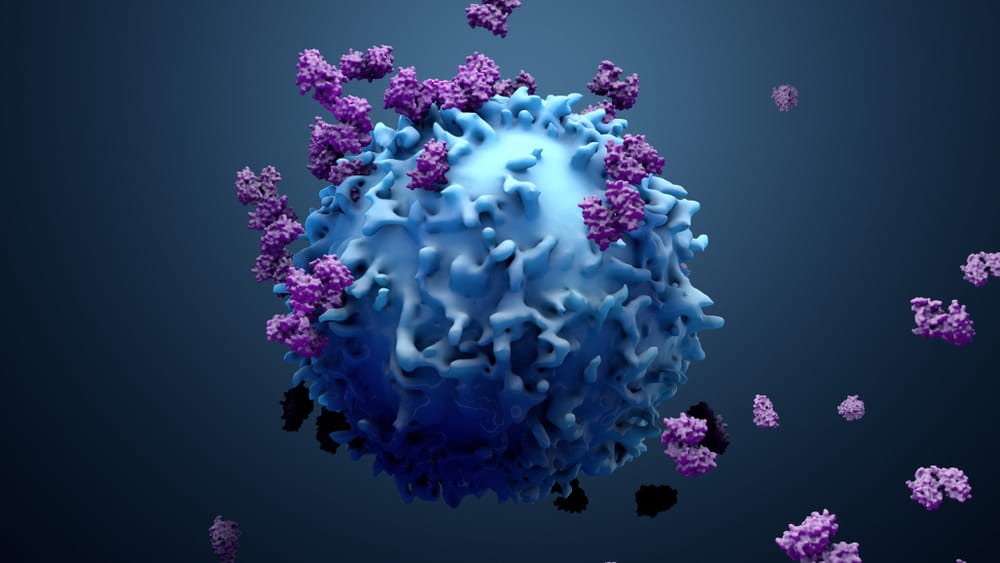
Once seen only as helpful and protective, we now know that inflammation can contribute to the development of numerous diseases
Measuring one’s state of health against an ideal aging process allows us to understand how well we are able to preserve our physical and mental performance and how exposed we are to future risks of chronic diseases

What are amino acid supplements? What benefits do they have and how do they work? Who are they indicated for? Alessandro Orlandini, M.D., a pharmaceutical chemist and specialist in clinical biochemistry, now medical director of the Italian company Professional Dietetics, answers these questions.

They can leverage public trust and have a large presence throughout the country for easy access and proximity. This is why pharmacies are entitled to become more and more a point of reference for health: the first destination for primary care promotion

The one called Long Covid seems to be a real syndrome. Are there tests to measure its effects on the body? And what can we do to improve the symptoms? Today we publish the first of a series dedicated to the Long Covid in which we will deepen the diagnostic and therapeutic aspects, and the perspectives of research.

According to some clinical observations, the immune system of young Covid-19 survivors appears to age prematurely, contributing to the onset of Long Covid. But this ageing process could also be reversed

Pro-longevity nutrion demands a smart management of Glucose and Proteins metabolic level. Let’s understand which nutritional strategies are more effective and useful for an healthy ageing.

Understanding our metabolism to consciously nourish ourselves in order to build a long and healthy life.

A research by the University of Illinois suggests that the decline in cognitive performance in postmenopausal women depends on decreased activity of the mitochondria, the “powerhouses” of the cell.
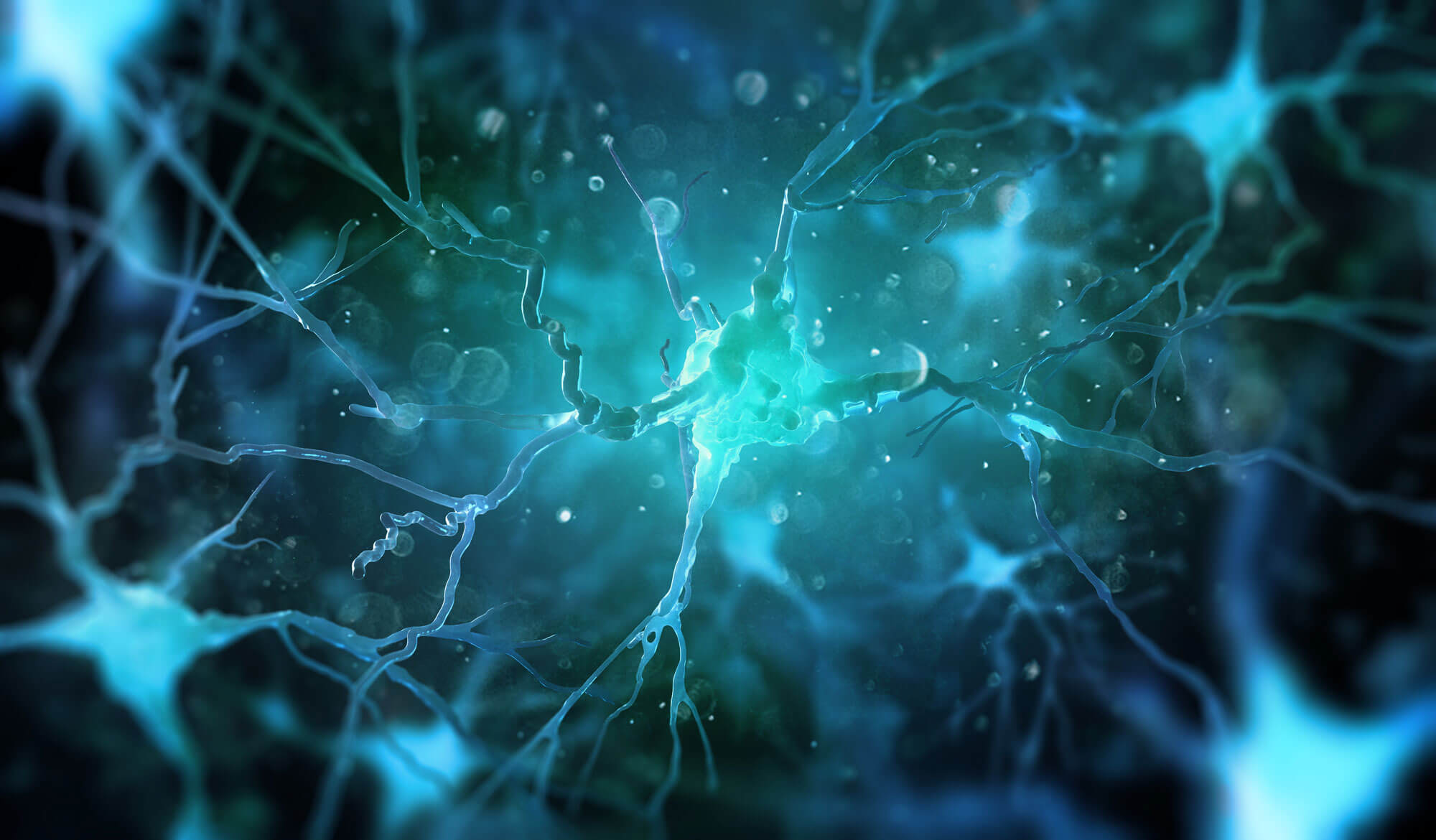
Even the brain gets old. The loss of cognitive ability is linked to neurobiological changes, such as the thinning of the cerebral cortex. Today it is possible to measure this process and intervene both to slow it down and to recover what has been lost.

Along our lives, the genetic code contained in our cells accumulates small damages and the telomeres, the ends of the chromosomes, shorten, making it even less stable. Two phenomena linked to the ageing process and diseases of old age

As the immune system ages, it undergoes alterations and becomes less efficient. This is how processes such as immunosenescence and inflammaging affect it, exposing us to an increased risk of infection by pathogens such as the new coronavirus SARS-CoV-2.

The elderly are more susceptible to infections such as coronavirus SARS-CoV-2 due to phenomena such as immunosenescence and inflammation. At their origin, however, there are epigenetic changes that we can influence through our lifestyle.

115 years is the estimated intrinsic capacity of the human being to live. But how long we live, and how we live, does not depend solely on our genes. Epigenetic studies have shown that there are mechanisms that can repair DNA damage and increase longevity.
