
Oxidative Stress: How to Measure It and How to “Prevent” It
There are several methods for measuring oxidative stress. Knowing one’s “level” of oxidative stress can be useful in a preventive and healthy aging perspective
There are several methods for measuring oxidative stress. Knowing one’s “level” of oxidative stress can be useful in a preventive and healthy aging perspective

Telomere length is considered one of the hallmarks of aging, but new research is revealing that their “measurement” seems to be indicative more of health status than biological age. As Valentina Bollati, associate professor in the Department of Clinical and Community Sciences and the Epiget Lab at Milan State University, explains.

The biological age of an organism is a significant indicator of health status and susceptibility to illness. Individual organs and tissues may undergo different aging processes, but the real challenge is to define a biological clock that applies to the whole organism, and that translates into parameters that are easy to monitor and act upon.

Measuring chronic latent inflammation is not as simple as measuring acute inflammation associated with infection or disease. There are different types of tests and markers, with different sensitivities. Here is a brief guide to get your bearings
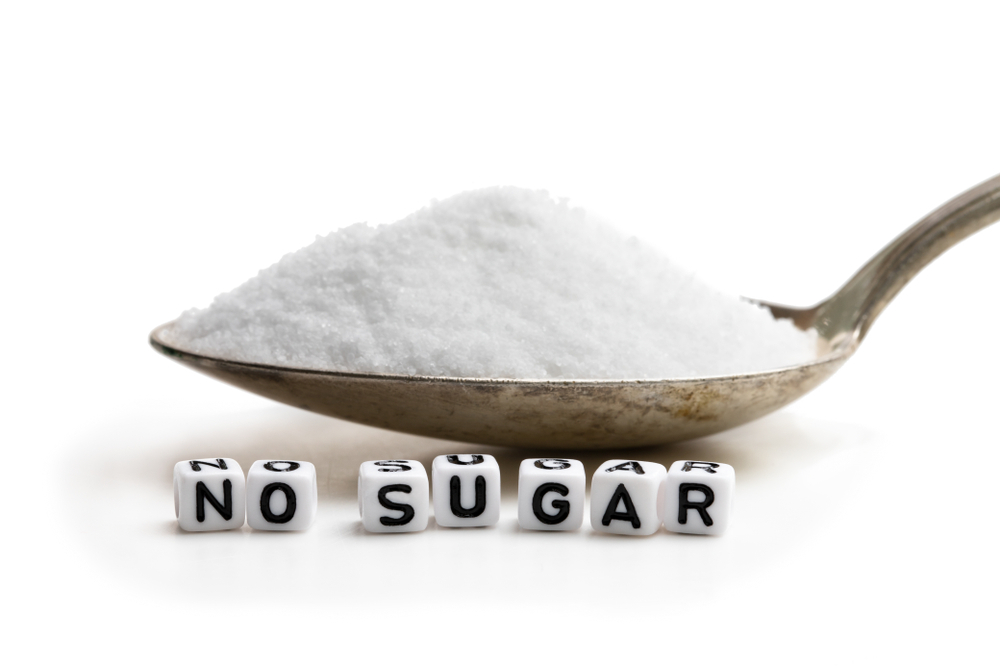
A study published in Cell suggests this. Researchers investigated the effects on the intestinal flora from sweeteners such as aspartame, saccharin, stevia or sucralose, and also analyzed their effects on blood glucose

