High levels of antioxidants in the blood, in middle age and in older adults, are on average associated with a lower risk of later developing a form of dementia

Can Antioxidants Reduce the Risk of Dementia?
read more

High levels of antioxidants in the blood, in middle age and in older adults, are on average associated with a lower risk of later developing a form of dementia

PM2.5 particulate matter lowers the levels of a protein, sirtuin 2, which regulates important physiological processes underlying airway inflammation. This is revealed by a study that also identifies a potential therapeutic avenue

After GluRes, SoLongevity’s first patent, the GluReNAD nutraceutical formulation is also covered by a patent: by mimicking the effects of caloric restriction, it regulates metabolism and also helps reduce the sense of hunger thanks to the energy boost provided by the synergy of glutathione, resveratrol and NAD

One of the measures of biological age, telomere length, could predict the risk of developing severe forms of COVID-19. The finding applies above all to women over 65

The new coronavirus has been shown to have neurological and neuropsychiatric effects even in the long term. These mechanisms and the hypothesis that inflammation predisposes to the development of neurodegenerative diseases, such as Alzheimer’s and Parkinson’s, are being investigated.

According to a study conducted by IFOM in Milan and IGM-CNR in Pavia, the reason why older people are more susceptible to the SARS-CoV-2 virus could be linked to aging-related genetic damage

A study conducted by SoLongevity Research and the University of Verona, published in eBioMedicine, reveals important new information on the serological response to vaccines. The presence of type M immunoglobulins is associated with a higher antibody level and a greater ability to neutralize the virus. And it suggests that the response to vaccination may depend on pre-existing immunity developed against other coronaviruses

Measuring one’s state of health against an ideal aging process allows us to understand how well we are able to preserve our physical and mental performance and how exposed we are to future risks of chronic diseases

When it comes to cardiovascular disease, the age of the immune system matters more than chronological age. Today the iAge “inflammatory clock” makes it possible to estimate it. How does it work?

Longevity genes can be activated with a specific mix of nutrients. This is what prompted SoLongevity research to develop a special formulation: a combination of amino acids, polydatin and NAC which, in a controlled clinical trial, proved effective in rebalancing oxidative stress and reducing inflammatory parameters.

They can leverage public trust and have a large presence throughout the country for easy access and proximity. This is why pharmacies are entitled to become more and more a point of reference for health: the first destination for primary care promotion
When it comes to cardiovascular disease, the age of our immune system matters more than age. Today, the iAge “inflammatory clock” allows us to estimate it. How does it work?

The third chapter of our guide is about the criteria for evaluating a food supplement. What “good” characteristics should it have? From certifications to bioavailability to the production chain.
In the second article of our guide to food supplementation, we offer a list of questions to figure out what you really need

The first of a series of articles to guide you into the world of dietary supplements. It starts from basic: what we should be aware of before approaching the food supplements’ shelf in pharmacies and herbalists, or in the supermarket

Obesity is one of the main risk factors for the development of severe forms of Covid-19: according to the experts, chronic inflammation and an altered immune system are involved. Just as it does when you get older.

The one called Long Covid seems to be a real syndrome. Are there tests to measure its effects on the body? And what can we do to improve the symptoms? Today we publish the first of a series dedicated to the Long Covid in which we will deepen the diagnostic and therapeutic aspects, and the perspectives of research.

Called TET 1 seems to be essential to ensure the formation of new connections between neurons. A study from the Graduate Center of New York shows that as we age, its production declines. The next step is to try to stop this phenomenon.

SoLongevity is the only Italian company to join the National Innovation Center for Aging (N.I.C.A.) in the UK, one of the most advanced international realities in the world in basic and translational research on aging. Mission: to transform longevity medicine and technology into services for the general public.
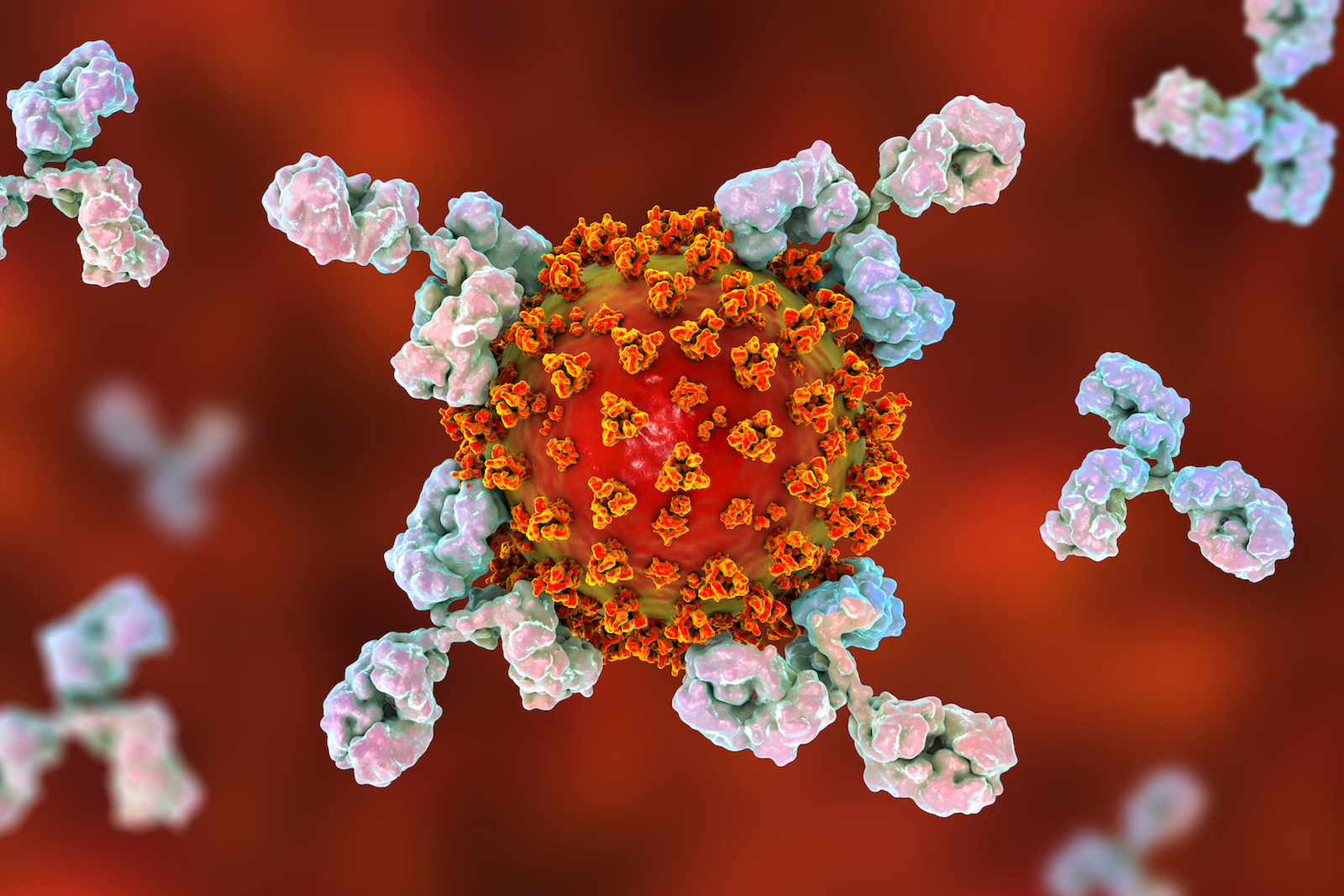
At least three mechanisms are known why acute inflammation can become chronic, accelerating aging. And there are foods that can lower inflammation, but be careful of so-called “anti-inflammatory diets” that are not based on science

Sirtuins are special proteins triggered to preserve the cell life under risky environmental conditions by pausing the cell’s most wasteful activities. This mechanism can be used to counteract aging. Can the choice of certain foods help?

Memory and concentration issues, fogginess, anxiety, depression, and loss of taste and smell: these are all neurocognitive symptoms of what is known as Long Covid Syndrome.

According to some clinical observations, the immune system of young Covid-19 survivors appears to age prematurely, contributing to the onset of Long Covid. But this ageing process could also be reversed

It only takes 15 minutes of intense physical activity to improve procedural memory. The study, published in Scientific Reports, offers new ideas for the development of strategies for the prevention of neurodegenerative diseases.

Pro-longevity nutrion demands a smart management of Glucose and Proteins metabolic level. Let’s understand which nutritional strategies are more effective and useful for an healthy ageing.

SoLongevity research to understand the action of COVID in the presence of the body’s aging processes takes a significant step forward

Understanding our metabolism to consciously nourish ourselves in order to build a long and healthy life.

The age, which depends on the date of birth, does not necessarily coincide with the real ageing of our organism, i.e. the biological age. Which can be measured with the Biological Age Score, slow it down and sometimes take it back, without resorting to drugs.

It is known as inflammaging: a state of low grade but chronic inflammation, which damages the body. Studies have shown that it plays an important role in the onset of diseases associated with ageing and in the fragility of older people.
Solongevity Research, published by the international scientific journal in Immunology, addresses the issue of interactions between SARS-CoV-2 and other seasonal coronaviruses, immunological interactions that may explain the severe clinical course of some patients and the seasonal pattern.

Using artificial intelligence and Eeg performed in sleep, a team of researchers has developed a new test to estimate the biological age of the brain and predict the risk of dementia.

A research by the University of Illinois suggests that the decline in cognitive performance in postmenopausal women depends on decreased activity of the mitochondria, the “powerhouses” of the cell.
Even the brain gets old. The loss of cognitive ability is linked to neurobiological changes, such as the thinning of the cerebral cortex. Today it is possible to measure this process and intervene both to slow it down and to recover what has been lost.

Along our lives, the genetic code contained in our cells accumulates small damages and the telomeres, the ends of the chromosomes, shorten, making it even less stable. Two phenomena linked to the ageing process and diseases of old age

As the immune system ages, it undergoes alterations and becomes less efficient. This is how processes such as immunosenescence and inflammaging affect it, exposing us to an increased risk of infection by pathogens such as the new coronavirus SARS-CoV-2.

The elderly are more susceptible to infections such as coronavirus SARS-CoV-2 due to phenomena such as immunosenescence and inflammation. At their origin, however, there are epigenetic changes that we can influence through our lifestyle.
115 years is the estimated intrinsic capacity of the human being to live. But how long we live, and how we live, does not depend solely on our genes. Epigenetic studies have shown that there are mechanisms that can repair DNA damage and increase longevity.
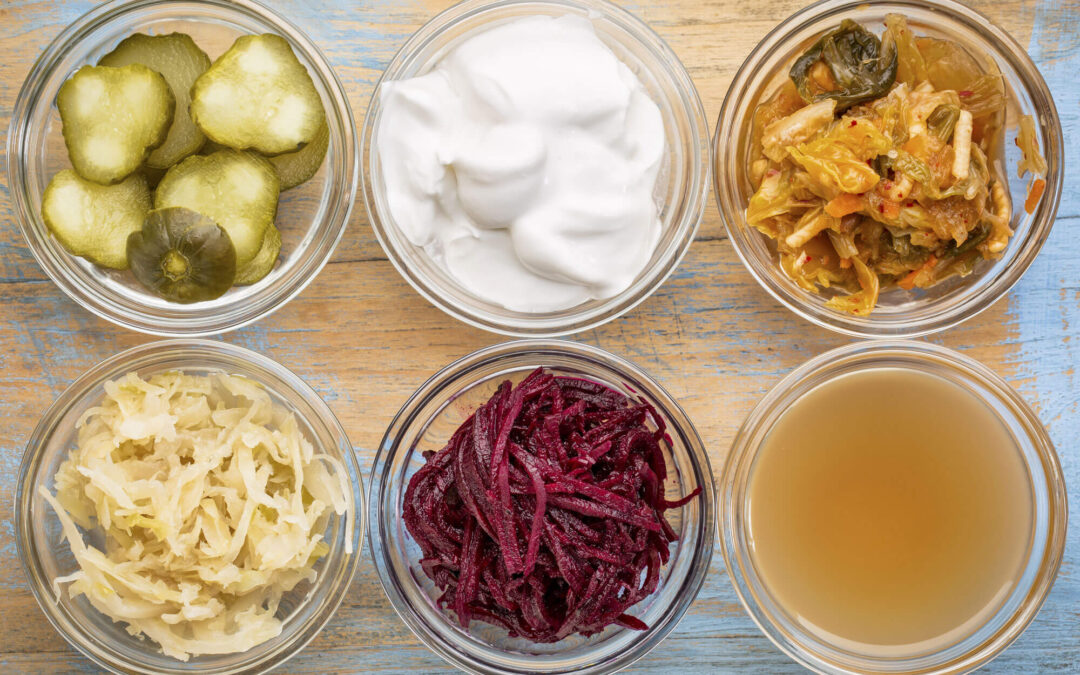
the whole set of organisms living in our intestines is called microbiota. Today we know that they are key for health and that they also have a role in the ageing process.

Yes, while ageing the reactions that occur in the body become less efficient. But through small interventions on nutrition and physical activity it is possible to stimulate it, stopping the aging process and reducing the risk of disease.

The genes’ role in the way we age has shrunk in recent years. Much more, in fact, depends on epigenetics, the set of biochemical reactions acting on the genome. Here is what epigenetic ageing is and what we can do to slow it down

It is known as inflammaging: a state of low grade but chronic inflammation, which damages the body. Studies have shown that it plays an important role in the onset of diseases associated with ageing and in the fragility of older people.

They are called SIRT and qualified as ” longevity genes”. They are responsible for the production of sirtuins, fundamental proteins that allow cells – and us – to live longer. Scientists have begun to understand how to make them work at their best.

The age, which depends on the date of birth, does not necessarily coincide with the real ageing of our organism, i.e. the biological age. Which can be measured with the Biological Age Score, slow it down and sometimes take it back, without resorting to drugs.
